
Cases

A national taxi-fleet operator runs the operating layer behind a large share of the country's taxi fleet. That is three product lines spanning driver settlement, dispatch and B2B booking, and the data and processes that drive them had outgrown a one-team setup. Rather than fragmenting work across more developers, Foundry helped re-shape the organisation to be AI-leveraged: a Foundry-team Linear footprint, an agent-ready bridge into their existing stack, and Claude put into the hands of the people closest to operations.

A commercial kitchen supplier's catalogue and pricing live in Navision, and quoting a full kitchen used to mean a sales rep digging through Navision by hand, copying numbers, and assembling a document. Foundry connected an AI layer on top of Navision: the rep describes the kitchen, the system searches the live catalogue, drafts the quote, and the rep approves. The pattern is in continuous operation under a drift agreement.
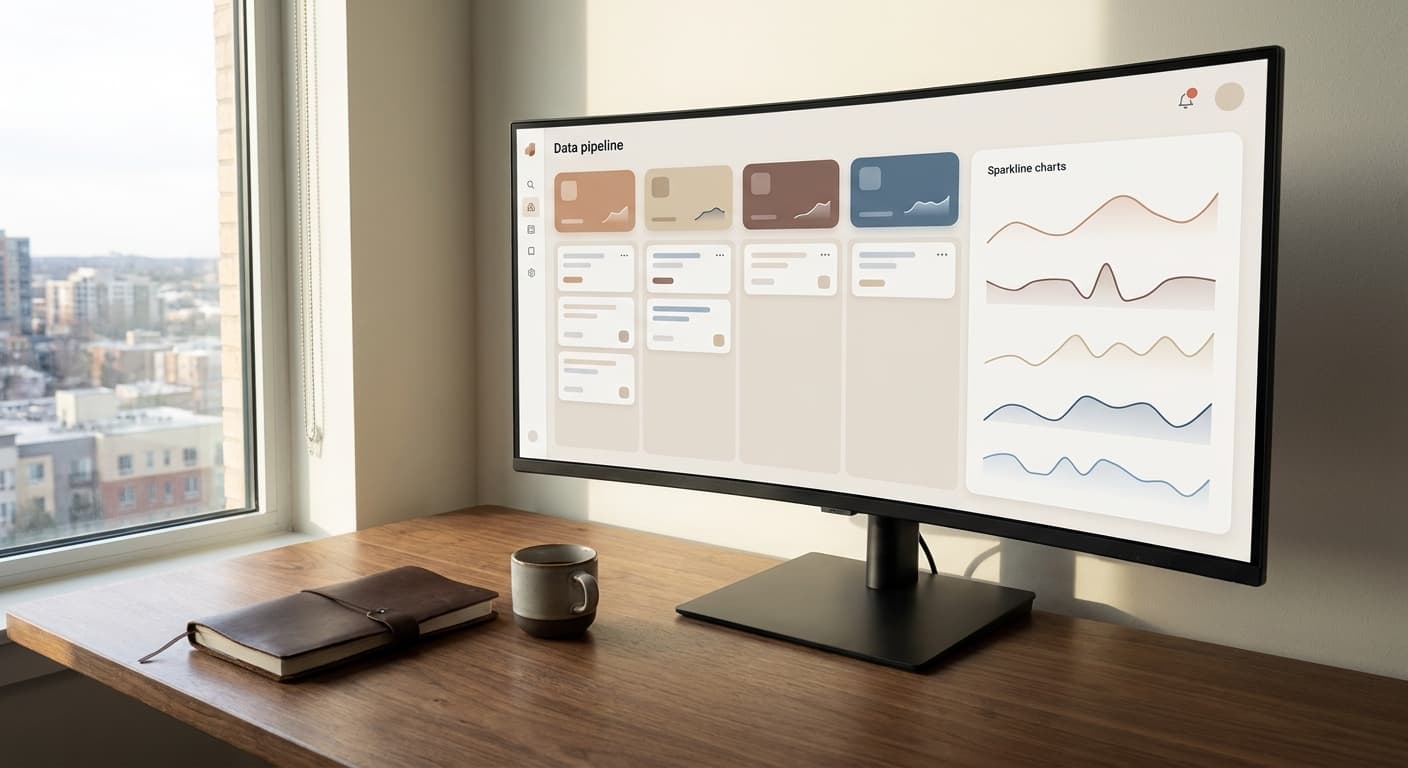
A B2B sales team has a five-step sales process: qualify, scope, configure, quote, close. It was being run out of spreadsheets and a Navision instance that wasn't designed for it. Foundry automated the whole flow end-to-end: a dashboard surfaces the live pipeline, a structured questionnaire captures customer context as deals move forward, and an AI layer produces the sales recommendation based on what's been entered and what Navision already knows.
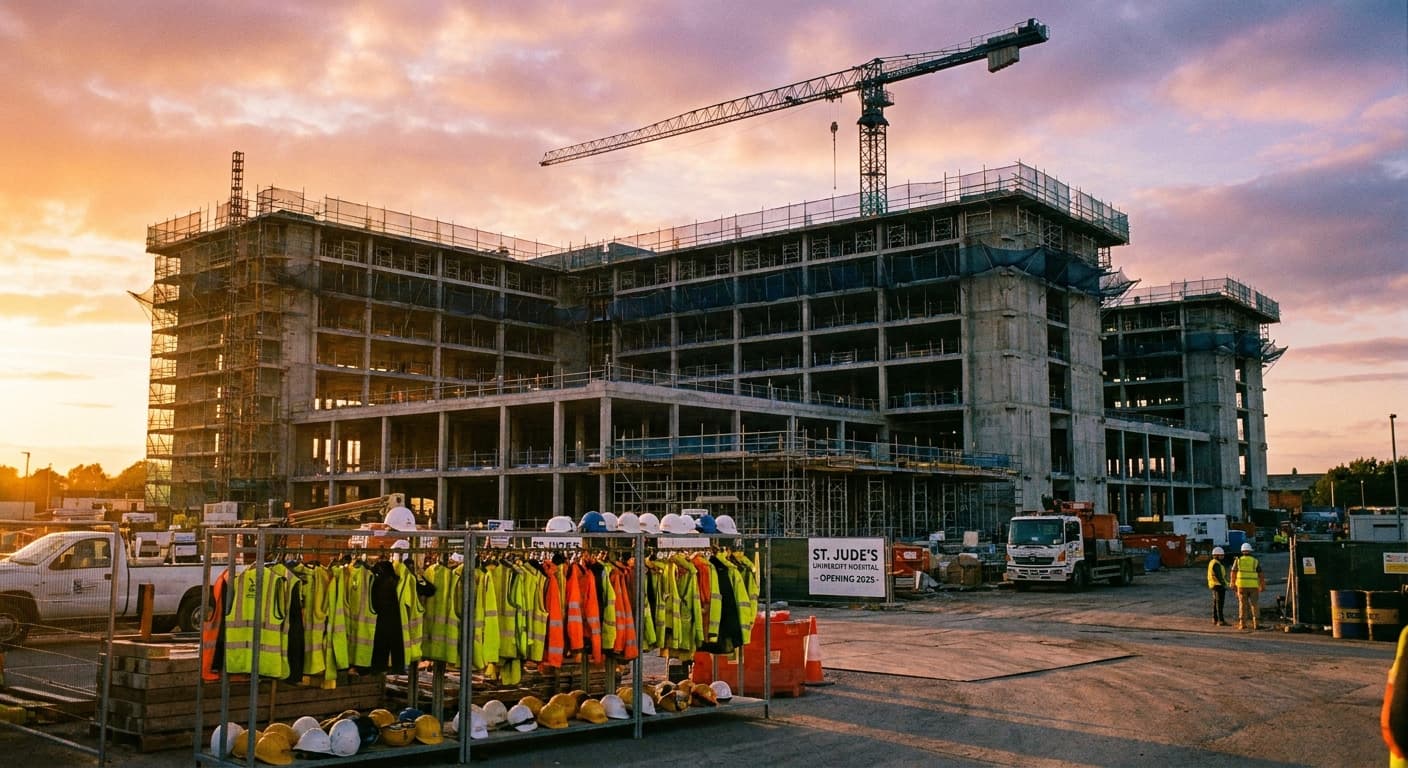
A ~45M DKK staffing organisation placing foreign craftspeople on Danish hospital builds was running the operation on a patchwork of spreadsheets and ad-hoc tools. Foundry delivered an administration system. It is the operational backbone the organisation now runs on, covering placement, time, billing and the document trail that holds it all together.

Lawyers spend disproportionate amounts of time reading contracts looking for the bits that aren't standard. LexIX flips it: the user supplies the firm's own contract standards, and the system reads incoming contracts, highlights the deviations, and explains why each one matters. Under the hood it's retrieval-augmented review over the user's own corpus. Their standards become the index, and the system does the matching.

A staffing operation handles IDs, contracts and time sheets. Those documents include personal and commercially sensitive information that mustn't follow the document downstream. Foundry built RedactIX, an internal Foundry product, and deployed it inside the customer's operation. It reads incoming documents, matches them against a worklist of fields that need to be redacted, and produces a clean, share-able version with the sensitive content removed or replaced.

A mid-sized services organisation wanted to stop running AI as scattered, individual experiments and turn it into something the whole organisation works through. Foundry led the onboarding: Claude rolled out across teams, and the systems the organisation already lives in wired in as connectors. Those are email, calendar, the document store, the CRM and the data warehouse. The scheduling layer was switched on too, so recurring work can be handed to an agent instead of a person. The shape is deliberate: a curated set of approved connectors, a clear pattern for how new schedules and workflows get reviewed, and guardrails that let non-technical teams build automations without IT becoming the bottleneck.
Taxi & mobility
A national taxi-fleet operator runs the operating layer behind a large share of the country's taxi fleet. That is three product lines spanning driver settlement, dispatch and B2B booking, and the data and processes that drive them had outgrown a one-team setup. Rather than fragmenting work across more developers, Foundry helped re-shape the organisation to be AI-leveraged: a Foundry-team Linear footprint, an agent-ready bridge into their existing stack, and Claude put into the hands of the people closest to operations.
A national taxi-fleet operator runs three product lines: driver settlement, dispatch, B2B booking. The data and processes behind them had outgrown a one-team setup.
The obvious move was hiring more developers. That fragments the work without addressing why a single team had become the bottleneck.
Foundry instead reshaped the organisation to be AI-leveraged: a Foundry-team Linear footprint, an agent-ready bridge into the existing stack, and Claude in the hands of the people closest to operations.
The first concrete output is a driver dashboard turning Databricks-resident ride and earnings data into a per-driver view of how the night went. The pattern is rolling out across the group.